Peptide endotoxin and sterility testing: what each test measures and why purity doesn't cover them
Endotoxin and sterility are two separate tests, and neither is implied by a purity figure. Here is what each measures, how results are reported, and what testing has found.
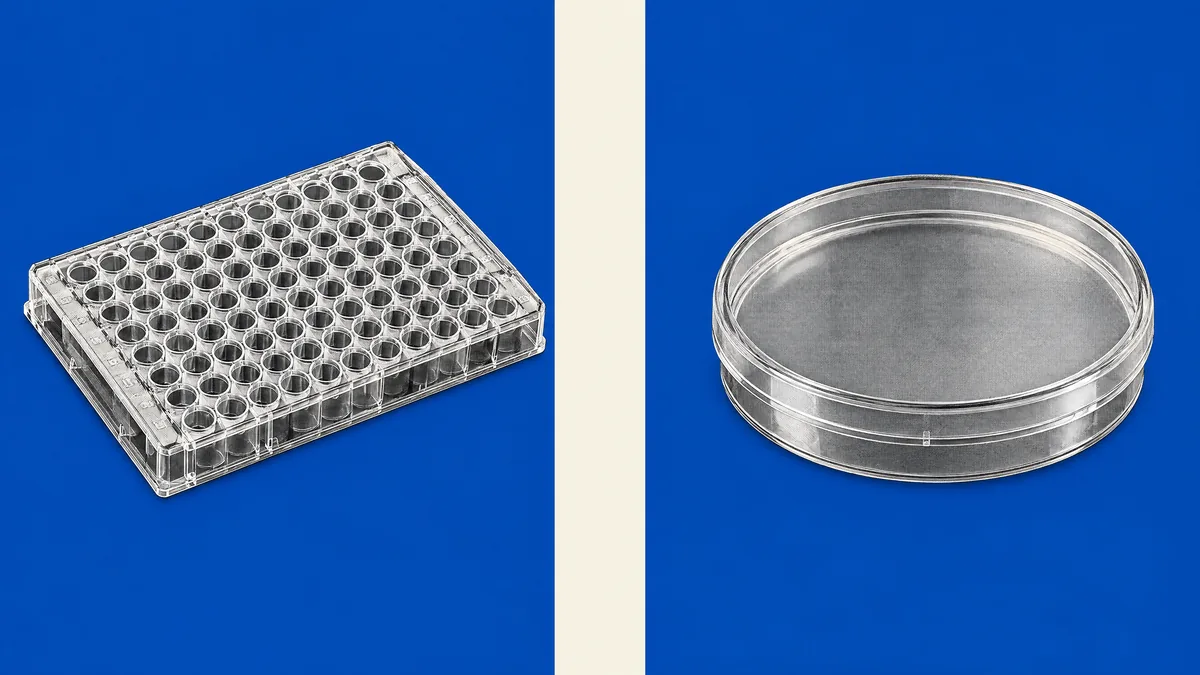
Endotoxin testing and sterility testing are two different laboratory tests that answer two different questions, and neither is covered by a purity percentage. Endotoxin tests, usually the LAL assay, measure a bacterial cell-wall component and report it in endotoxin units (EU). Sterility tests culture a sample and look for living microbes. In a 2024 study of semaglutide bought from online sellers, the vials grew no viable microorganisms yet all carried endotoxin [1].
What endotoxin is
Endotoxin is lipopolysaccharide (LPS), a component of the cell wall of Gram-negative bacteria. It is released when bacteria divide, shed outer membrane vesicles or die, and a review of the area says that if it reached the bloodstream it would trigger pro-inflammatory immune responses [3]. Because it can persist after bacteria are dead, a sample can contain it with no living bacteria present.
Pharmacopoeial literature calls Gram-negative endotoxins the most important pyrogens for pharmaceutical laboratories, where a pyrogen is a substance that causes fever after intravenous administration or inhalation [2]. We are reporting why the test exists. We are not suggesting any particular vial carries a given amount.
How the endotoxin test works
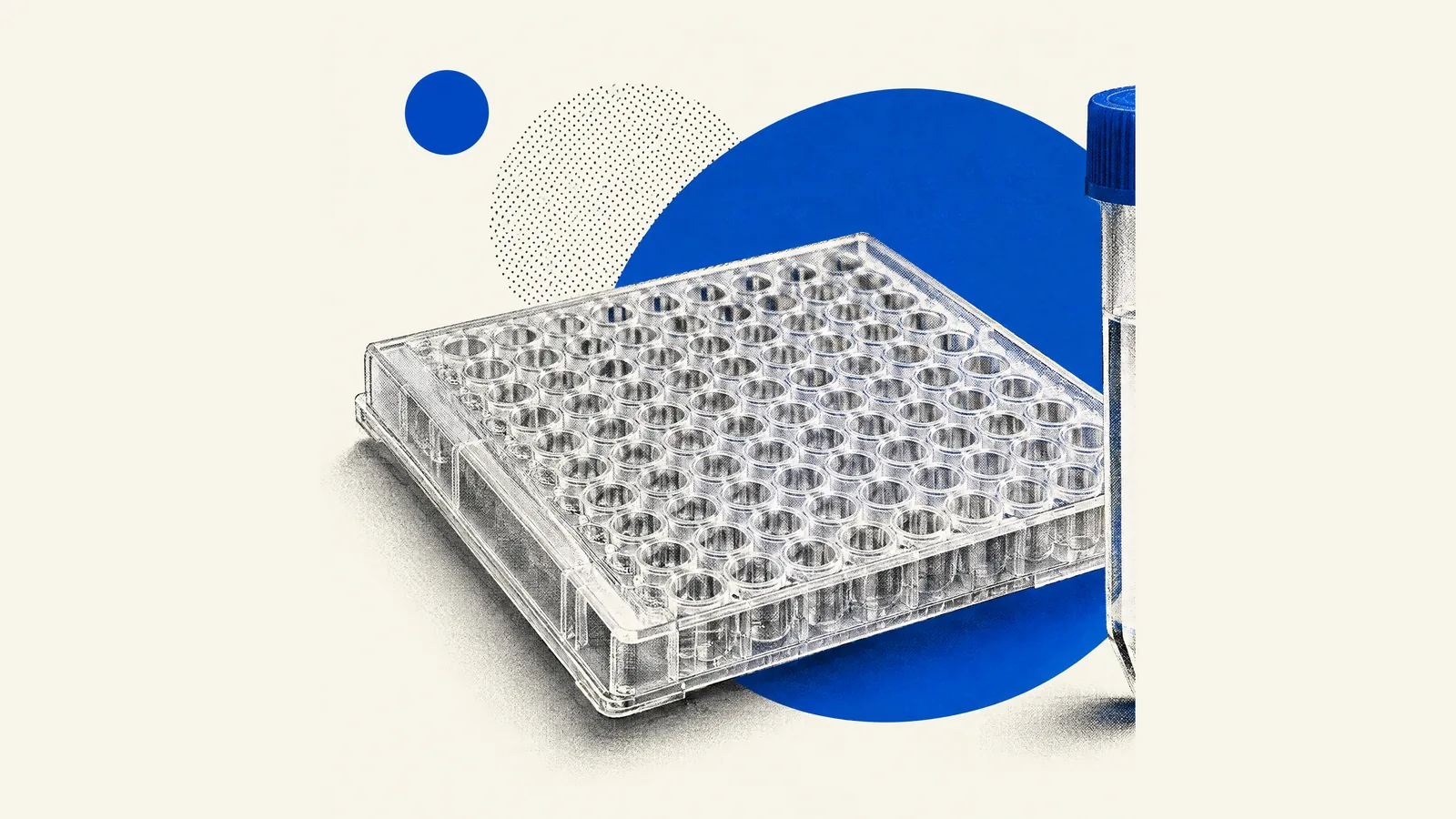
The standard method is the Limulus amebocyte lysate (LAL) assay, which industry uses to detect and quantify LPS [3]. The reagent is made from horseshoe crab blood. Recombinant factor C tests are designed as substitutes, and a 2020 review found a high degree of correlation between the recombinant and lysate tests [5].
Regulators describe three fundamental test formats: gel clot, photometric and kinetic methods. That description comes from FDA guidance on the United States Pharmacopeia chapter on the bacterial endotoxins test [6]. The bacterial endotoxin test is described as fully harmonised across the International, United States, Japanese and European pharmacopoeias, with only non-significant differences found [2].
Results are in EU, and the basis matters. The semaglutide study reported EU/mg [1]. Janoshik Analytical reports lyophilised vials in EU/vial and liquid solutions in EU/ml, with a standard reporting range of 1 to 1000 EU/vial, and says values below 1 EU/vial are estimates [7,8]. A figure in EU/mg and a figure in EU/vial cannot be compared until you know how many milligrams the vial holds. Our guide to reading a certificate of analysis explains where those figures sit on the document.
Why a clean result still has limits
An endotoxin result is only as reliable as the assay's ability to detect what is there. Reviews describe a phenomenon called low endotoxin recovery (LER), in which LAL assays in some cases fail to detect LPS because of a masking effect from interactions with formulation components [3]. The mechanism has not been fully determined, and the reviewers discuss whether masked LPS could remain biologically toxic when given to patients [3,4].
That limit relates to complex formulations. We found nothing that quantifies it for a simple lyophilised peptide vial, so we do not claim it applies or does not.
There are practical limits too. The commercial lab we checked (Janoshik Analytical) says it needs a separate vial for endotoxin analysis and does not test oils, raw API powders, tablets or capsules [7,8].
What sterility testing is
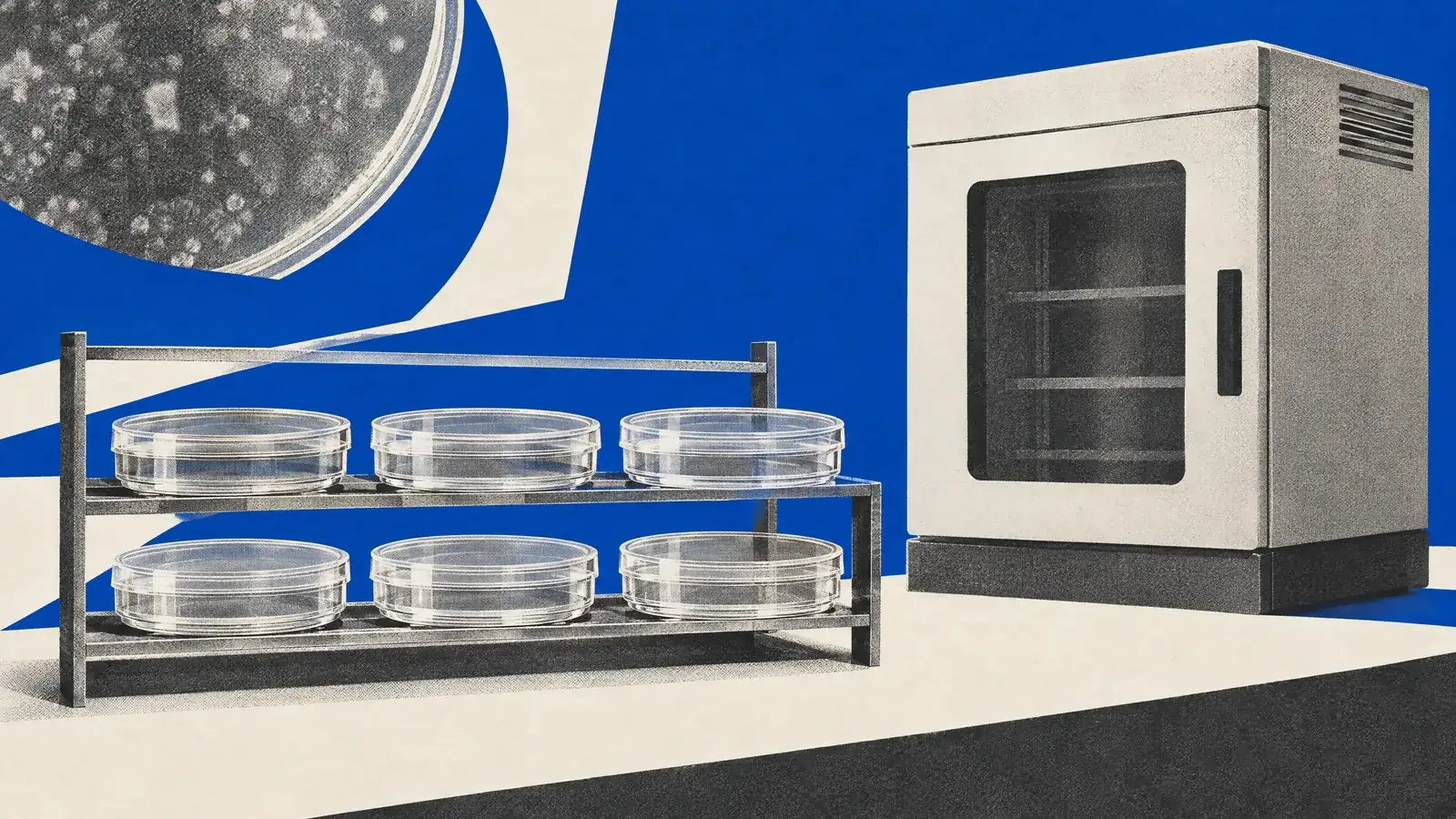
A sterility-type test incubates a sample in culture and checks for growth. The commercial lab we checked runs total aerobic microbial count (TAMC) and total yeast and mould count (TYMC), described as cultivation tests for microbial presence, with results as pass or fail [9]. It says a fail means colonies of bacteria, yeast or mould were detected after cultivation, and that the source cannot be determined from the analysis alone: it could be manufacturing, a compromised vial seal or something else [10]. It says a pass means no colonies were detected after cultivation [10].
The same lab says the test needs unopened vials, with two unopened peptide vials recommended, and that sending less than the recommended amount may affect the results [9]. Average turnaround stated on the service page is 14 days [9].
Why neither test is a purity test
Purity, endotoxin and sterility measure different things with different methods. Purity from chromatography reports what share of the peptide content is the target molecule, with the remainder being degradation products, according to Janoshik's own explanation [11]. It says nothing about LPS or about microbial growth. We cover what that figure can and cannot show in how peptide purity is tested.
| Test | What it measures | Unit or result | What it leaves open |
|---|---|---|---|
| Endotoxin (LAL) | LPS from Gram-negative bacteria [3] | EU per vial, per ml or per mg [1,7] | Living microbes, identity, purity |
| Sterility culture (TAMC and TYMC) | Colonies of bacteria, yeast and mould after cultivation [9,10] | Pass or fail [9] | Endotoxin, identity, purity |
| Purity (HPLC) | Share of peptide content that is the target molecule [11] | Percentage | Endotoxin, sterility |
What published testing has found
The clearest published example comes from a 2024 study that bought semaglutide from illegal online pharmacies selling it without a prescription [1]. Three vials of powder were delivered, and no Ozempic pens arrived because of non-delivery scams. The study reported:
- The lyophilised samples were devoid of viable microorganisms at the time of testing.
- Endotoxin was detected in all samples, at 2.1645 to 8.9511 EU/mg.
- Measured semaglutide purity was 7.7% to 14.37%, against 99% claimed on labels.
- Semaglutide content exceeded the labelled amount by 28.56% to 38.69%.
- No peptide-like impurities were identified [1].
The authors classed all three vials as probable substandard and falsified products [1]. The study is small: three vials, one peptide, six pharmacies approached. It shows that a sterility pass and endotoxin contamination occurred together in those vials. It does not tell you how common that is across other peptides or sellers, and we know of no larger published survey of endotoxin in research peptides.
We make no claim about what any of those EU/mg values mean for a person, because the study as abstracted here does not set a dose or a limit, and neither do we.
What to look for on a report
You are checking for the presence of the tests, and for how each is reported.
- Does the report list an endotoxin result, and in which unit and basis?
- Does it list a sterility result, and is it a culture-based pass or fail?
- Do the dates and batch details match the vial you hold? A sterility sample must be an unopened vial, so the sample tested was not yours [9].
- Is the report verifiable on the lab's own site? See Janoshik testing explained for how that works at one lab.
What this means
HPR's position is that endotoxin and sterility are the two tests a purity percentage cannot stand in for, and a certificate that omits them has left two questions unanswered. The one published surveillance study we found shows the two results can diverge: no living microbes, endotoxin present [1].
We are not telling you any product is safe, and a clean report would not allow us to. We are telling you what each test measures, the unit it is reported in, and what a single result leaves open. Read the report for which of the three tests is on it, and treat the absent ones as unanswered.
Common questions
What is peptide endotoxin testing?
It is a laboratory test, usually the LAL assay, that detects and measures lipopolysaccharide, a component of the outer wall of Gram-negative bacteria. Results are reported in endotoxin units (EU), per vial or per millilitre. It is separate from purity and from sterility testing.
What does EU mean in an endotoxin result?
EU stands for endotoxin units, the unit in which LAL results are reported. A result only means something alongside its basis: per vial, per millilitre or per milligram. One study of online semaglutide reported 2.1645 to 8.9511 EU/mg, while one lab reports lyophilised vials in EU/vial.
What is sterility testing for peptides?
It is a culture test: part of the sample is incubated and the lab looks for microbial growth. One commercial lab runs total aerobic microbial count (TAMC) and total yeast and mould count (TYMC) and reports pass or fail. A pass means no colonies were detected after cultivation.
Can a peptide pass sterility testing and still contain endotoxin?
Yes. Endotoxin is a cell-wall component, not a living organism, so a culture can stay clear while an endotoxin test is positive. In a 2024 study of semaglutide bought from online sellers, the vials had no viable microorganisms but all three contained endotoxin.
Does a purity test show endotoxin?
No. A purity figure from HPLC describes the share of the peptide content that is the target molecule. Endotoxin and sterility are measured by different tests with different methods. A certificate that lists only purity has not answered either question.
Educational content only — not medical advice. Many peptides discussed on HPR are not approved for human use. Talk to a qualified clinician before making any decision about your health.
References
- [1]Ashraf AR, Mackey TK, Vida RG, et al.. Multifactor Quality and Safety Analysis of Semaglutide Products Sold by Online Sellers Without a Prescription: Market Surveillance, Content Analysis, and Product Purchase Evaluation Study. Journal of Medical Internet Research 2024. doi:10.2196/65440
- [2]Franco E, Garcia-Recio V, Jiménez P, et al.. Endotoxins from a Pharmacopoeial Point of View. Toxins 2018. doi:10.3390/toxins10080331
- [3]Gorman A, Golovanov AP. Lipopolysaccharide Structure and the Phenomenon of Low Endotoxin Recovery. European Journal of Pharmaceutics and Biopharmaceutics 2022. doi:10.1016/j.ejpb.2022.10.006
- [4]Cao Y, Zhang Y, Qiu F. Low endotoxin recovery and its impact on endotoxin detection. Biopolymers 2021. doi:10.1002/bip.23470
- [5]Bolden J, Knutsen C, Levin J, et al.. Currently Available Recombinant Alternatives to Horseshoe Crab Blood Lysates: Are They Comparable for the Detection of Environmental Bacterial Endotoxins? A Review. PDA Journal of Pharmaceutical Science and Technology 2020. doi:10.5731/pdajpst.2020.012187
- [6]US Food and Drug Administration. Pyrogen and Endotoxins Testing: Questions and Answers (guidance for industry). FDA guidance document 2026. www.fda.gov/regulatory-information/search-fda-guidance-documents/guidance-industry-pyrogen-and-endotoxins-testing-questions-and-answers
- [7]Janoshik Analytical. Endotoxin analysis (service page). janoshik.com 2026. janoshik.com/pricelist/endotoxin-analysis-separate-vial-preferred-measurement-up-to-10-eu-vial/
- [8]Janoshik Analytical. Endotoxin analysis (help centre). Janoshik help centre 2026. help.janoshik.com/article/72-endotoxin-analysis
- [9]Janoshik Analytical. Sterility testing (TAMC+TYMC). janoshik.com 2026. janoshik.com/pricelist/sterility-testing-tamctymc/
- [10]Janoshik Analytical. TAMC and TYMC (sterility) testing results. Janoshik help centre 2026. help.janoshik.com/article/57-tamc-and-tymc-sterility-testing-results
- [11]Janoshik Analytical. How to understand purity results?. Janoshik help centre 2026. help.janoshik.com/article/53-how-to-understand-purity-results
Keep reading

How peptide purity is tested, and what a certificate of analysis can't tell you
A purity figure comes from one method on one batch. Here is what each lab test measures, what it misses, and how to check a lot yourself.
How to read a peptide certificate of analysis
A certificate of analysis answers four separate questions: what is in the vial, how much, how clean, and how safe to inject. Most only answer one or two.

Janoshik testing explained: what the lab does, how to verify a report, and what one test can't tell you
Janoshik reports are widely quoted and easy to check, but verification proves a document is unaltered. It does not prove the vial in front of you is what was tested.